Skip to content
Hospital-to-Home Care Transitions: What Calgary Families Need to Know
When a hospital team says, “Your mom can go home tomorrow,” most families feel two things at once: relief and anxiety. You’re glad to leave the hospital, but you might be wondering, “Are we really ready for this?” A safe, well-planned transition from hospital to home is often the difference between a smooth recovery and a quick trip back to the emergency room.
This guide walks you through what Calgary families should know before discharge, how to prepare the home, and how to support your loved one in the first days and weeks after they come home.
Before Discharge: Questions to Ask the Hospital Team
Discharge planning should start before the day your loved one leaves. The more clarity you have up front, the less guesswork you’ll face at home. The conversation with your hospital team—whether it’s the doctor, nurse, discharge planner, or social worker—should cover several critical areas that will directly affect how you care for your loved one once they’re home.
Start by making sure you understand the exact diagnosis and what it means for day-to-day life at home. Ask what new symptoms or changes should prompt an immediate call to the doctor, and clarify which activities are safe now and which should be avoided. This includes seemingly simple activities like walking up stairs, bathing independently, or cooking. You also need to know who the main contact person is if questions come up after discharge and exactly how to reach them. Finally, confirm what follow-up appointments are needed and when they should happen so nothing slips through the cracks during the hectic first days at home.
Medication changes are one of the most common sources of confusion, especially for older adults who were already taking several prescriptions before admission. Ask for a clear, up-to-date list that shows what each medication is for, exact timing throughout the day, whether it should be taken with food, and most importantly, which medicines were stopped, which were started, and which dosages were changed. A medication list that simply names the drugs without this context can lead to dangerous errors once you’re home without medical staff nearby.
If the information feels rushed or unclear, it’s okay to slow things down. Ask the team to repeat instructions, write them down, or explain them in simpler language. You are not being difficult—you’re making sure your loved one can safely recover.
Assessing How Much Help Your Loved One Really Needs
Families often underestimate how much support is needed right after a hospital stay, especially if the person “looks fine” sitting in a chair during visiting hours. Recovery at home is different from sitting in a hospital bed surrounded by staff who respond to call bells within minutes. The hospital environment provides a safety net that simply doesn’t exist once you walk through your front door.
Think through what an average day will actually look like. Can your loved one get out of bed or a chair without help, or do they need someone to steady them or provide a hand? Can they walk safely to the bathroom, including during nighttime trips when they’re groggy and the house is dark? Are they able to bathe and dress without losing balance or getting exhausted halfway through? Can they prepare simple meals, or at least safely reheat food without burning themselves or forgetting the stove is on? Do they remember and understand their medication schedule, or will they need reminders and supervision?
If the answer to several of these questions is “no” or “I’m not sure,” you need to plan for hands-on help at least for the first couple of weeks. That help can come from family, friends, professional caregivers, or a mix of all three. The goal is to prevent falls, complications, and caregiver burnout—not to test anyone’s limits or prove how independent your loved one can be right out of the gate.
It’s also important to be honest about your own capacity. If you work full-time, have children at home, or live across the city from your loved one, trying to “do it all” may not be realistic no matter how much you care. Building a support team from day one is a sign of wisdom, not weakness. Recovery is a marathon, not a sprint, and you need to pace yourself accordingly.
Making the Home Safer Before They Arrive
Ideally, you have at least a day or two of notice before discharge so you can get the home ready. Small changes can make a big difference in safety and comfort during those vulnerable first weeks. Start by walking through the home with fresh eyes, imagining how someone who is weaker, slower, or less steady will navigate each space.
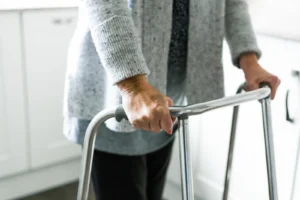
Focus first on entrances and hallways. Clear away clutter, mail piles, shoes, and bags that have accumulated. Secure loose rugs or remove them entirely, and make sure there is enough space for a walker or cane if your loved one will be using one. The bathroom deserves special attention because it’s one of the most dangerous rooms in any home for seniors. Add non-slip mats inside the tub or shower and on the floor. If possible, install grab bars near the toilet and in the shower. A raised toilet seat or shower chair can make an enormous difference for anyone with weakness or balance issues.
In the bedroom, ensure the bed is easy to get in and out of, with a sturdy surface they can push off from. A bed that’s too low or too soft can trap someone who lacks strength. Keep a lamp, phone, water, and tissues within arm’s reach so they don’t have to get up repeatedly during the night. Lighting throughout the home becomes critical when someone is moving slowly and uncertainly. Use nightlights in hallways and bathrooms so they can see clearly during nighttime trips without having to fumble for switches.
If stairs are part of the home, check that handrails are secure and ideally on both sides. Make sure steps are well lit and completely free of obstacles like shoes, books, or laundry baskets. If your loved one used to sleep upstairs but now struggles with stairs, strongly consider setting up a temporary bedroom on the main floor. Even if this is not a long-term solution, it can prevent serious falls during the early recovery period when energy and strength are at their lowest.
Planning the First Week or Two at Home
Think of the first one to two weeks as a “recovery bubble” where routines should be simple, predictable, and restful. This is not the time to rush back to normal or prove that everything is fine. Your loved one’s body has been through a significant health event, and healing requires time and patience.
Create a basic plan that covers who will be with your loved one and when. During the daytime, who will check on them, help with meals, and make sure they’re moving safely? At night, if they get up frequently or tend to be confused in the dark, is someone available to assist or at least within earshot? Meal planning becomes especially important because appetites are often poor after a hospital stay. Plan easy-to-digest meals and snacks ahead of time so nobody has to cook from scratch every day. Encourage small, frequent meals and regular fluids, especially if appetite is low. Dehydration and malnutrition can quickly derail recovery even when the original medical issue is healing well.
Establish a clear medication routine using a pill organizer and alarms or reminders to avoid missed or double doses. Keep all medications in one safe, visible place—not spread around the house where confusion can lead to dangerous errors. Balance rest and activity carefully based on what the hospital team recommended. Build in short periods of light movement if advised, such as brief walks inside the home or gentle stretching, rather than allowing long naps all day that disrupt nighttime sleep. Protect their sleep at night by keeping noise and interruptions to a minimum.
A simple written schedule on the fridge helps everyone stay on the same page, especially if several family members or caregivers are rotating coverage. It doesn’t need to be fancy—just a clear outline of who’s responsible when, what medications happen at what times, and any appointments or phone calls that are scheduled.
Watching for Red Flags After Discharge
Even with the best planning, health can change quickly after a hospital stay. Families are often the first to notice early warning signs that something isn’t right. Pay close attention to any new or worsening confusion, agitation, or sudden change in personality. These can signal infection, medication problems, or other complications. Watch for increasing shortness of breath, chest discomfort, or sudden weakness that wasn’t there before.
Look for fever, chills, or signs of infection around wounds or surgical sites. Notice whether your loved one is eating and drinking enough or whether they’re not using the bathroom as usual—both can indicate serious problems. Be alert to unsteady walking, repeated “near falls,” or actual falls, which suggest that current mobility is not safe without more support. Pay attention to severe pain that is not controlled by the plan you were given at discharge.
If you see any of these changes, follow the instructions the hospital provided for who to call and when. Sometimes a phone call and early intervention can prevent a more serious emergency and another hospitalization. It’s also completely normal for caregivers to feel unsure about whether something is “serious enough” to warrant a call. When in doubt, it is better to reach out and ask than to wait and hope it resolves on its own. Medical professionals would rather answer a precautionary question than see someone return to the emergency room because a small problem became a big one.
Coordinating Follow-Up Care and Appointments
Hospital-to-home care doesn’t end at the front door. Good follow-up is a crucial part of preventing complications and keeping recovery on track. Try to confirm all follow-up appointments before discharge or within the first day or two at home so there’s no confusion about when your loved one needs to be seen. Arrange transportation in advance—don’t assume your loved one can drive just because they were able to before the hospital stay. Many people aren’t ready to drive safely for weeks or even months after a serious health event.
When you attend appointments, bring an updated medication list and any questions you’ve written down throughout the week. Share any concerning changes you’ve noticed at home, such as changes in mobility, mood, eating habits, or sleep patterns, even if they seem small. These details help the medical team assess how recovery is actually going in the real world, not just in theory.
If multiple professionals are involved—such as a family doctor, specialist, physical therapist, and home care team—keep a simple folder or binder with key information. This can include visit notes, appointment dates, test results, and contact details for each provider. Clear communication between everyone reduces confusion, prevents duplicate tests or conflicting instructions, and ensures that no aspect of care falls through the cracks.
Supporting Emotional Recovery, Not Just Physical Healing
Coming home from the hospital can stir up many emotions in older adults. They may feel relief at being back in familiar surroundings, but they may also feel fear about managing without the constant presence of nurses and doctors. Frustration is common when the body doesn’t cooperate as it used to. Many seniors worry intensely about “being a burden” to their families, which can lead to them hiding struggles or refusing help they genuinely need.
You can support emotional recovery by allowing your loved one to express fears or frustrations without rushing to “cheer them up” or minimize what they’re feeling. Reassure them that needing help right now is a normal part of recovery, not a permanent state or a personal failure. Celebrate small wins together—an extra lap down the hallway, a better night’s sleep, a successful shower—because these victories matter deeply when someone is rebuilding strength and confidence.
Maintain familiar routines wherever possible, such as watching favourite TV shows, listening to preferred music, or engaging in adapted versions of hobbies they enjoy. Normalcy and continuity provide comfort during a disorienting time. Family caregivers also need emotional support during this period. It’s okay to feel overwhelmed, tired, or even resentful of how much your life has changed. Sharing responsibilities, taking short breaks when you can, and talking openly with trusted friends or professionals can prevent burnout during this intense period. You cannot pour from an empty cup, and taking care of yourself ultimately helps you take better care of your loved one.
When Professional Home Care Can Make the Difference
For many Calgary families, the safest and most sustainable plan after a hospital stay includes some level of professional in-home support. Even a few hours a week can relieve enormous pressure on family members and significantly reduce the risk of complications that lead back to the hospital. Professional caregivers bring training, experience, and objectivity that family members often can’t provide, no matter how loving and dedicated they are.
Professional caregivers can help with safe transfers, bathing, and dressing—tasks that require physical strength and specific techniques to avoid injuring either the senior or the caregiver. They provide supervision during early walking and exercises that may have been recommended by the physiotherapy or occupational therapy team. They handle meal preparation and light housekeeping related to the senior’s immediate needs so that the home environment stays safe and sanitary. They offer medication reminders and gentle prompts to follow the recovery plan when memory or motivation lags. Perhaps most importantly, they provide companionship and reassurance, especially during hours when family members can’t be present because of work or other responsibilities.
You don’t have to commit to a long-term schedule right away. Many families start with extra support in the first weeks after discharge, then adjust the level of care as their loved one becomes stronger and more independent. This flexible approach allows you to scale support up or down based on real needs rather than guesses made before discharge.
Bringing It All Together
A hospital-to-home transition is more than a discharge date on a calendar; it’s a process that unfolds over days and weeks. When families have clear information from the hospital team, a realistic support plan that matches actual needs, and a safe home environment that’s been thoughtfully prepared, recovery is smoother for everyone involved. The goal is not perfection—it’s creating conditions where healing can happen safely while protecting both the patient and their caregivers from preventable setbacks.
If your loved one is coming home from a Calgary hospital soon and you’re feeling unprepared or overwhelmed, you’re not alone. These transitions are inherently challenging, and most families feel some degree of anxiety about getting everything right. With the right questions asked before discharge, the right setup at home, and the right support team in place, home can once again become the safest and most comfortable place for your loved one to heal. Recovery takes time, patience, and often help from others, but bringing your loved one home is worth every bit of effort when it’s done thoughtfully and safely.