Skip to content
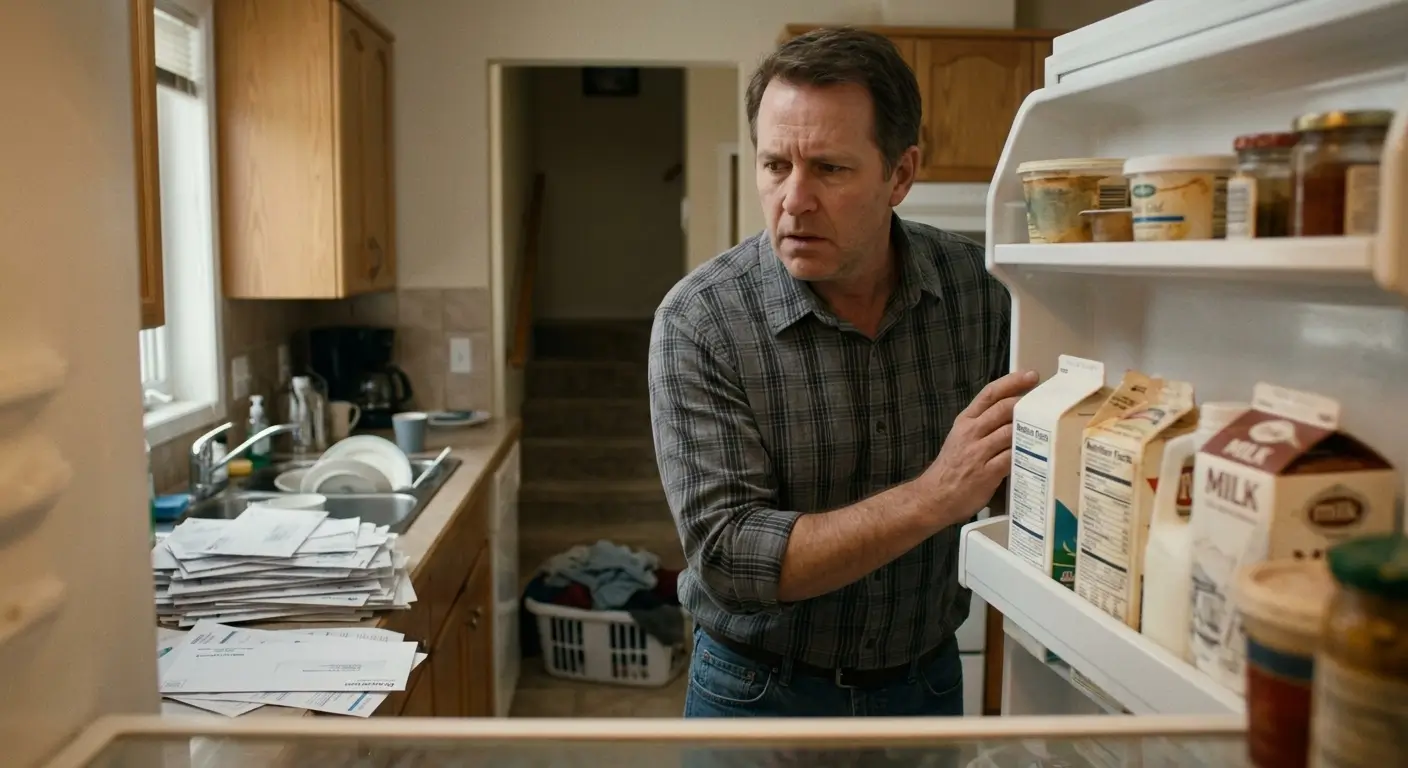
A daughter arrived at her father’s house in Silverado on a Saturday morning in August. He was usually already at the kitchen table with his coffee and the newspaper by 7:30. Today he was sitting on the edge of his bed, staring at the wall.
When he looked up, he did not recognize her at first. He thought it was Tuesday. His speech was slurred, and one of his hands was shaking. She was terrified. She called 911.
The paramedics arrived within eight minutes. One took his vitals. The other asked quietly, “Do you know if your dad has been drinking any water today?”
She realized she did not know. He was 87. It was supposed to hit 31 degrees outside. His water glass on the nightstand was bone dry.
A few hours later at Foothills Hospital, after IV fluids, he was himself again. Not a stroke. Not the start of dementia. Just dehydration.
The doctor told the daughter what most Calgary families never hear until they are in the situation. Dehydration in seniors is more common, more dangerous, and more misidentified than families expect. It happens every summer. And it happens every winter too.
Why seniors are so much more vulnerable than the rest of us
Dehydration in seniors is not the same experience as dehydration in younger adults. The rules are different, and the risks are higher.
Several changes stack up over the decades. The body’s thirst signal weakens with age, so a senior can be significantly dehydrated without feeling thirsty at all. The kidneys become less efficient at conserving water. Common medications, including diuretics, blood pressure medications, and some antidepressants, increase fluid loss. Reduced mobility makes getting up for a glass of water a bigger effort than it used to be.
Then there are the fears that quietly shape behaviour. Many seniors deliberately drink less because they do not want to get up in the night, or because they worry about incontinence, or because they simply do not want to bother anyone for a bathroom trip. What looks like “not being thirsty” is often a survival strategy against a different fear.
The signs of dehydration in seniors, which don’t look like typical dehydration
The signs of dehydration in older adults often look like something else, which is why families miss them for so long.
Sudden confusion. This is the sign that surprises most families. A parent who is normally sharp becomes disoriented, foggy, or has trouble finding words. It is often mistaken for a stroke, the start of dementia, or a bad night’s sleep.
Dizziness or lightheadedness. Especially when standing up. Dehydration lowers blood pressure quickly, and the room can spin.
Fatigue that arrived suddenly. Not the gradual tiredness of aging, but a distinct new heaviness that came on this week.
Dark or infrequent urine. Urine that is darker than pale yellow, or bathroom trips that have become noticeably less frequent, are among the most reliable signs.
Dry mouth, dry skin, and cracked lips. Skin that has lost its usual spring when pinched gently on the back of the hand.
Constipation. Water is essential for regular bowel movements, and a sudden change in bathroom patterns often points back to fluid intake.
Muscle cramps or weakness. Especially in the legs, and especially at night.
Rapid heartbeat. The heart works harder to move less-hydrated blood, and the pulse can climb.
Falls. Dehydration-related dizziness is one of the most under-recognized causes of falls in Calgary seniors. Our article on what to do after a senior falls at home covers that connection in more detail.
Why dehydration is more dangerous in older adults
Dehydration in a younger person is uncomfortable. Dehydration in a senior can become an emergency in hours.
Older bodies decline faster once dehydration takes hold. Mild dehydration can trigger delirium, which sometimes takes days to fully resolve even after fluids are restored. Blood pressure can crash. Kidneys can be damaged. Urinary tract infections become far more likely, and UTIs in seniors often present with confusion rather than the usual burning, which delays diagnosis and treatment.
Hospital admissions related to dehydration are one of the most preventable causes of ER visits for Calgary seniors. And when a senior is admitted for dehydration, the recovery is usually slower and longer than families expect.
The good news is that almost all of this is preventable with attention and a few small changes at home.
The Calgary climate makes it harder than most Canadians realize
Calgary is one of the drier major cities in Canada, and the climate compounds dehydration risk in ways families rarely think about.
Low winter humidity. Indoor heating pulls moisture from the air and from the body. A senior in January can lose significant fluid through breathing and skin without ever feeling warm.
Chinook winds. Warm, dry Chinooks feel pleasant, but they pull moisture from the body faster than most people realize. Two hours outside on a Chinook afternoon can dehydrate a senior more than a full summer day in a coastal city.
Elevation. At 1,045 metres, Calgary sits high enough that fluid needs are noticeably greater than at sea level. Combined with dry air, the effect adds up over the day.
Hot dry summers. July and August afternoons above 30 degrees pull fluid quickly, and many seniors do not adjust their drinking to match.
Air conditioning. Even in summer, air conditioning dries indoor air and quietly increases fluid loss.
Why seniors often refuse to drink enough water
The reasons a senior gives for not drinking are almost always practical and often based on real experience.
“I don’t want to have to get up at night.” This is the single most common reason, and it is closely tied to fear of falls in the dark, disturbing a spouse, or embarrassing accidents.
“I don’t like the taste of water.” Taste changes with age, and Calgary water is not to everyone’s preference.
“I forget.” Simple, honest, and often true.
“I don’t want to bother anyone.” Especially for seniors who need help getting to the bathroom.
“I’m not thirsty.” Which is genuine, because their thirst signal is dulled.
Understanding the specific reason your parent is not drinking is the key to helping them, because different reasons need different solutions.
Practical ways to help a Calgary senior stay hydrated
A hydration plan does not need to be complicated. It needs to be gentle and consistent.
Make fluid accessible everywhere. A water bottle by the bed. A glass on the reading chair. A jug on the kitchen counter. Reducing the effort required to take a sip removes a real barrier.
Offer variety, not just water. Herbal tea, warm broth, decaffeinated coffee, weak juice, milk, and even ice pops all count as fluid. A senior who dislikes water may cheerfully sip peppermint tea all afternoon.
Serve hydrating foods. Cucumber, watermelon, oranges, soups, yogurt, and porridge all contribute meaningful fluid. Our article on senior nutrition covers hydrating meal choices in more depth.
Time drinks with routines. A glass with each meal. A cup with medications. A mug with the morning paper. Predictable moments are easier to remember than a general reminder to “drink more.”
Address the incontinence fear directly. If a parent avoids drinking because of bathroom worries, the real conversation is about bladder support and dignity, not willpower. In-home personal care support can make the trips easier and less anxious.
Use straws or spouted cups if drinking is physically difficult. For seniors with arthritis, tremor, or swallowing difficulties, the right cup can make a real difference.
Track fluids gently, especially in heat waves and Chinook weather. A quick note on the fridge counting glasses through the day removes guesswork.
How in-home care specifically helps with senior hydration
One of the quietest but most valuable roles a caregiver plays in a senior’s home is watching the water glass.
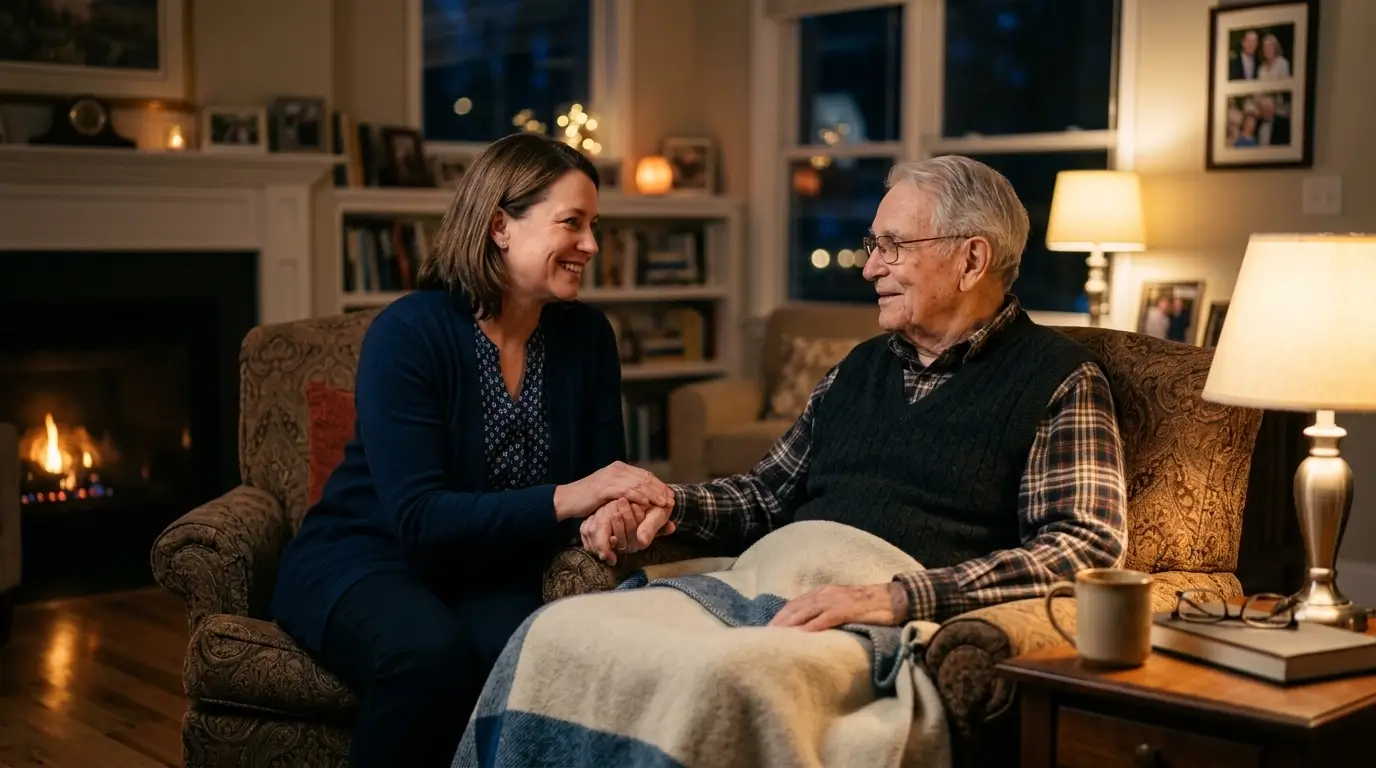
A regular caregiver notices what the family cannot always see, because they are there through the ordinary hours of the day. They can gently offer a drink at every visit. They can prepare meals with high water content. They can spot the early signs of dehydration before the family sees them.
For seniors who need help getting to the bathroom, having a caregiver in the home removes one of the biggest reasons people avoid drinking. The fear of not making it in time gets replaced by the reassurance that someone is nearby.
Homemaking support helps too, because a fridge stocked with cut fruit, cold water, and soup is a fridge that supports hydration. And companionship matters more than families realize, because seniors drink more when they are sharing a meal with someone than when they are eating alone.
Medications that make dehydration more likely
Many common senior prescriptions come with dehydration as an under-discussed side effect.
Diuretics for blood pressure or heart failure are the obvious ones. Certain antidepressants, laxatives, some antihistamines, and drugs for overactive bladder can all increase fluid loss or reduce thirst signals further.
None of this means the medications should be stopped. It means the fluid plan should account for them. Our article on medication management for seniors at home covers the safe-medication side of the picture.
If your parent is on any medication that increases fluid loss, mention it at the next doctor visit and ask what daily fluid intake should look like specifically for them.
What to do if you suspect dehydration right now
For mild cases where your parent is alert and can drink, offer small amounts of fluid frequently rather than a large glass all at once. Water, weak juice, or oral rehydration solutions all work. Avoid caffeine and alcohol until they have rehydrated.
Call the doctor promptly if you notice dark urine, sudden fatigue, muscle cramps, or dizziness, even if your parent seems mostly OK.
Call an ambulance or go to the emergency room if you see confusion, disorientation, rapid heartbeat, very low blood pressure, inability to keep fluids down, or fainting. Dehydration at this level is a medical emergency and gets more dangerous by the hour.
Frequently asked questions
How much water should my elderly parent drink each day?
There is no single number that fits every senior, and the right amount depends on their weight, medications, health conditions, and the weather. As a general guide, pale yellow urine is a reasonable sign of adequate hydration. A conversation with their doctor is the best way to set a target for their specific situation, especially if they take diuretics or other medications that affect fluid balance.
My mom refuses to drink water. What can we do?
Start by asking why. The reasons are almost always practical, whether it is fear of nighttime bathroom trips, dislike of the taste, or worry about incontinence. Address the actual reason rather than pushing water. Offer variety in the form of herbal tea, soup, and hydrating foods. Make fluids visible and easy to reach. And bring the topic up gently with her doctor if the pattern continues.
Can dehydration really cause confusion in seniors?
Yes, and this catches families off guard more than any other symptom. Sudden confusion, disorientation, or slurred speech in an older adult can be caused by even mild dehydration. It is one of the most common reversible causes of what looks like a stroke or new dementia. If your parent becomes suddenly confused, dehydration should be on the checklist right away.
What are the earliest signs of dehydration in an older adult?
Dark urine, dry mouth, a sudden dip in energy, and mild dizziness on standing up are usually the first signs. Constipation and muscle cramps often follow. By the time confusion, low blood pressure, or a rapid heartbeat appear, the dehydration has moved from mild to serious.
Are certain medications more likely to cause dehydration?
Yes. Diuretics for high blood pressure or heart failure are the most well-known. Certain antidepressants, laxatives, antihistamines, and overactive bladder medications can also contribute. If your parent is on any of these, their fluid needs may be higher than the general guidance, and their doctor is the right person to ask about a specific plan.
Is dehydration only a summer problem in Calgary?
No. Winter dehydration in Calgary seniors is nearly as common as summer dehydration. Dry indoor heating, low humidity, and Chinook winds all pull fluid from the body year-round. Seniors often drink less in winter because they feel less thirsty, which quietly compounds the problem.
A quiet issue that deserves loud attention
Dehydration in seniors is one of the simplest health problems to prevent and one of the most frequently missed. It hides behind familiar behaviours like “I’m just tired” and “I don’t want to get up at night.” Then it lands in the ER looking like something far scarier than it needed to be.
A water glass by the chair. A cup of tea with the morning paper. A caregiver who notices what the family cannot always see. These small things prevent most of the situations that Calgary families ever face.
If you would like to talk about what kind of in-home support might help your loved one stay well hydrated and cared for at home, the Compassion Senior Care team is here. You can learn more on our services page, or reach out whenever you are ready.