Skip to content
A senior fall at home can turn an ordinary day into an emergency in seconds. If you’re supporting an aging parent in Calgary, knowing what to do after a fall at home helps you stay calm, reduce injury risk, and make smart next-step decisions that protect both safety and independence.
This Calgary family action plan walks you through what to do in the first minutes, what to monitor over the next 24 hours, and how to reduce fall risk at home so the same situation doesn’t repeat.
In the first minutes: slow down and make the area safe
When an elderly parent falls at home, the instinct is to rush in and lift them up immediately. Instead, pause. Ask them to stay still for a moment and take a breath while you quickly check the surroundings. Remove immediate hazards like loose rugs, cords, clutter, pets underfoot, or poor lighting—anything that could cause a second fall while you’re helping.
If the fall happened during a nighttime trip to the bathroom, treat that as important information, not bad luck. Nighttime falls are common when seniors are groggy, rushing, or navigating low light, and they often point to a support gap that can be fixed.
Decide whether it’s safe to move them
Before you help your loved one up, check for “don’t move” warning signs. If they hit their head, lost consciousness, can’t bear weight, have severe pain, appear unusually confused, or show any obvious injury to the hip, leg, back, or shoulder, do not attempt to lift them. Call for urgent medical help and keep them as still and comfortable as possible.
Even when your parent insists they’re fine, remember that adrenaline can mask pain, and some injuries become clearer minutes or hours later. If your gut says something isn’t right, take it seriously.
If it seems safe, help them up in stages
If there are no red flags and they feel able to try, help them up slowly and methodically. The goal is stability, not speed. Encourage them to roll to their side, then move to hands and knees if they can. Bring a sturdy chair close by, and guide them to use it for support as they move to a half-kneel and then stand. If they become dizzy, weak, nauseated, or suddenly painful, stop and reassess.
If your parent can’t get up safely, or you’re at risk of injuring your own back, don’t force it. Getting help is the safer choice.
Treat the fall like a symptom, not a one-time accident
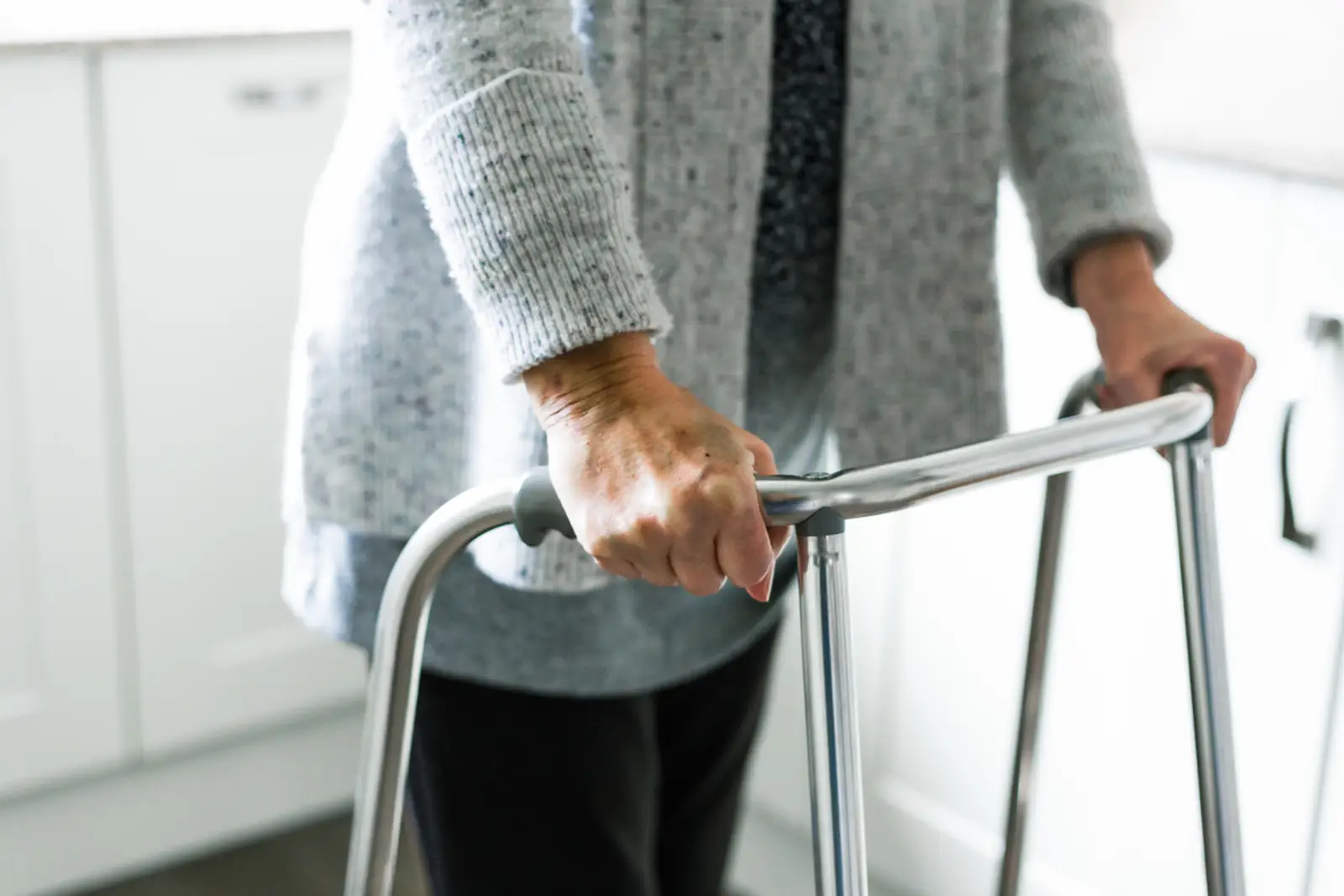
A fall is often the first visible sign of a deeper issue: medication side effects, dehydration, low blood pressure, poor footwear, mobility changes, rushing to the bathroom, vision changes, or home hazards. After your loved one is safely seated, gently ask what happened and write it down. What were they doing right before they fell? Did they feel dizzy? Did they trip? Were they wearing socks on slippery flooring? Was their walker or cane within reach?
This “fall story” helps you identify patterns and gives useful details for healthcare conversations and future prevention planning.
The next 24 hours: watch closely, even if they “feel fine”
The most dangerous assumption after a senior falls at home is that “no visible injury” means “no problem.” For the next day, watch for changes in walking, balance, alertness, mood, and pain. Pay attention to increasing stiffness, new confusion, worsening headache, unusual sleepiness, or anything that feels out of character.
This is also the right moment to tighten routines that directly affect fall risk—especially medication timing. If there’s any doubt about whether your parent is taking medications correctly (or at the right time), review the system and simplify it. For practical prevention steps, see Medication Management for Seniors at Home: Preventing Dangerous Errors.
Reduce fall risk at home with fast, practical changes
You don’t need a renovation to prevent another fall. You need a targeted reset in the highest-risk spaces: the bathroom, the bedroom-to-bathroom pathway, stairs, and entryways. Improving lighting (especially adding nightlights), removing loose rugs, clearing cords and clutter, adding non-slip mats, and keeping frequently used items within easy reach can make an immediate difference.
If the fall happened while your loved one was doing chores—carrying laundry, cleaning floors, reaching high shelves—consider reducing those tasks rather than pushing through them. For a room-by-room checklist, use Creating a Safe Haven: Home Safety Tips for Seniors. If day-to-day chores are becoming risky, support with Homemaking can reduce strain and help keep pathways clear.
Don’t ignore fear of falling (it increases future fall risk)
After an elderly parent falls at home, many seniors become cautious in a way that looks “responsible,” but quickly turns into reduced movement. Less movement often leads to weaker legs and poorer balance, which raises the risk of another fall.
Name the fear gently and respectfully. Instead of “You’re fine,” try, “That was scary. Let’s set things up so you feel steady again.” If your loved one is spending more time alone after the fall, isolation can make recovery harder and confidence lower—this is where Loneliness in Seniors in Calgary: How Regular Home Visits Can Make a Difference is a helpful next read. For a low-pressure starting point, Companionship visits can rebuild confidence and reduce anxiety after a fall.
Decide what support is needed now (focus on the riskiest moments)
A practical question after a senior fall at home is: “Which moments of the day are most risky, and who is covering them?” For many Calgary families, the risk spikes at night (bathroom trips), during showers, on stairs, and during rushed routines.
If nights are the danger zone, Overnight Home Care in Calgary: What It Is, Who It’s For, and How to Choose the Right Night Support can help you decide what level of supervision is appropriate.
If you’re feeling stretched thin after the fall, respite can be part of a real safety plan, not a luxury. Learn how families use it in Respite Care in Calgary: How In-Home Support Helps Families Keep Going, and explore options on the Respite service page.
If bathing, dressing, or toileting are driving the fall risk, Personal Care support can make these high-risk tasks safer and less stressful.
If you’re unsure whether this fall is a one-time scare or a sign of a bigger shift, use either Signs Your Parents in Calgary May Need Home Care: An Essential Guide or 10 Signs Your Loved One May Need Extra Help at Home to guide your next steps.
Create a simple post-fall plan your whole family follows
When everyone is guessing, follow-through falls apart. Create a short written plan and put it somewhere visible. It should cover who checks in and when, what pathways must stay clear, what lighting routine is used at night, and what to do if another fall happens.
If your family is trying to balance safety with your parent’s dignity, Senior Independence: Balancing Freedom with Safety at Home is a strong companion article to keep the plan respectful and realistic.
When you’re ready, connect the plan to the right support
After a senior falls at home, the most effective approach is usually the smallest change that meaningfully improves safety—then you adjust. Some families start with homemaking to reduce risky chores, others start with companionship to rebuild confidence, and some need overnight or personal care support right away to prevent repeat falls.
If you want to see what’s available, start with Services. If you’d like to talk through next steps for your parent in Calgary, reach out via Contact Us.