Skip to content
The phone call came at two in the morning. Sarah’s 81-year-old father had fallen again, this time trying to reach the bathroom in the dark. When the paramedics arrived, he waved them off, insisting he was fine. This was the third fall in six weeks, yet every time Sarah suggested getting some help around the house, her father’s response was the same: “I don’t need strangers in my home. I can manage perfectly well on my own.”
If this sounds familiar, you’re not alone. Resistance to accepting help is one of the most common and most heartbreaking challenges Calgary families face when caring for aging parents. Your loved one clearly needs support, the risks are mounting, but they refuse to admit there’s a problem or accept any assistance. You feel stuck between respecting their independence and keeping them safe.
This guide explores why seniors resist help so fiercely, how to have productive conversations that don’t end in arguments, and what strategies actually work to introduce support in ways your parent might accept.
Why Seniors Refuse Help: Understanding the Real Reasons
Before you can address your parent’s resistance, it helps to understand what’s really driving it. On the surface, “I don’t need help” might sound like simple stubbornness, but deeper fears and concerns usually lie beneath that statement.
Loss of independence ranks at the top for most seniors. From the time we’re children, independence is celebrated as a fundamental value. We’re taught to stand on our own feet, solve our own problems, and not be a burden to others. For someone who has lived independently for eight decades, admitting they now need help with basic tasks feels like losing a core part of their identity. Accepting assistance can feel like the beginning of a slide toward total dependence, even when that’s not remotely the reality. This fear is precisely why balancing senior independence with safety requires such thoughtful approaches.
Fear plays a massive role as well. Many seniors have watched friends enter care facilities and never come home. They’ve heard stories about abuse or neglect in care settings. Even though professional home care is completely different from institutional care, they may not make that distinction. The unknown feels threatening, and staying with the familiar—even if it’s unsafe—feels safer than inviting change.
Denial is another powerful force. Acknowledging that you need help means acknowledging that you’re aging, that your body isn’t what it used to be, that certain abilities have diminished. That’s an incredibly difficult psychological adjustment, and many people simply aren’t ready to make it. It’s easier to minimize falls as “just a little stumble” or to explain away forgotten medications as “I got distracted, that’s all.”
Pride and dignity matter deeply to older adults who built their lives on self-reliance. Needing help with bathing, dressing, or using the toilet feels profoundly embarrassing. Many seniors would rather struggle alone than have a stranger witness them in vulnerable moments. This is especially true for men of certain generations who were taught that asking for help is a sign of weakness. Understanding what compassionate personal care actually involves can help address some of these concerns.
Financial concerns add another layer of resistance. Seniors who lived through economic hardship or who are on fixed incomes often worry intensely about costs. They may refuse help not because they don’t see the need, but because they’re terrified of depleting savings or becoming a financial burden to their children. Even when money isn’t truly an issue, the worry can be all-consuming.
Past negative experiences shape current resistance as well. If your parent once had a bad encounter with a caregiver, medical professional, or service provider, that memory creates lasting reluctance to try again. A single unpleasant interaction can cement the belief that all outside help will be similarly difficult.
Understanding which of these factors is driving your parent’s specific resistance gives you insight into which approaches might work. Someone resisting out of fear needs different conversations than someone resisting out of pride or financial worry.
The Wrong Way to Approach the Conversation
Before discussing what works, it’s worth acknowledging what doesn’t. Many well-meaning adult children make the same mistakes when trying to convince their parents to accept help, and these approaches almost always backfire.
Taking control and making decisions without involving your parent rarely ends well. Arriving at their home with a caregiver in tow, announcing “This is Margaret, she’ll be helping you three days a week,” treats your parent like a child who can’t make their own decisions. Even if your intentions are good, this approach triggers resentment and resistance. Your parent may comply initially out of shock but will likely make the arrangement impossible to sustain through hostility or refusal to cooperate.
Using scare tactics or catastrophic predictions is equally counterproductive. Statements like “You’re going to fall and break your hip and end up in a nursing home if you don’t accept help” might feel like you’re being realistic, but they come across as threatening and disrespectful. Fear-based arguments often strengthen resistance rather than reducing it because they make your parent feel attacked and defensive.
Arguing with their assessment of the situation usually goes nowhere. When your father insists he’s fine and you counter with a list of recent incidents proving he’s not, you’ve created a debate where someone has to lose. Nobody wants to admit defeat in front of their own child, so the conversation becomes about winning rather than solving the actual problem. Our guide on how to have the conversation about home care offers more constructive approaches.
Comparing them to others who have accepted help can feel belittling. “Mrs. Chen down the street has a caregiver and she’s doing great” might seem like a helpful example, but it often lands as “You should be more like Mrs. Chen,” which triggers defensiveness rather than openness.
Waiting until a crisis forces the issue is perhaps the worst approach, though it’s often what happens by default. Making decisions in the emergency room or during a hospital discharge leaves no time for your parent to adjust emotionally or have any real input. Crisis-driven decisions feel forced and often lead to arrangements that don’t work well because they weren’t thoughtfully planned.
Strategies That Actually Work
Productive conversations about accepting help require patience, empathy, and strategy. The goal isn’t to win an argument but to help your parent arrive at the realization that support might actually improve their quality of life rather than diminish it.
Start by choosing the right time and setting for these conversations. Don’t bring up care needs immediately after a fall or health scare when emotions are running high and your parent feels defensive. Instead, find calm moments when both of you are relaxed and unhurried. A quiet coffee together or a peaceful afternoon provides better conditions for real dialogue than a tense moment in a doctor’s office.
Lead with empathy and validation before presenting solutions. Begin by acknowledging how difficult this situation must feel for your parent. You might say something like, “I know how important your independence is to you. I remember how you always taught me to stand on my own feet and figure things out myself. That’s one of the things I’ve always admired about you.” This validates their values and demonstrates that you understand what matters to them.
Ask questions rather than making statements. Instead of declaring “You need help,” try asking “How are you feeling about managing everything at home these days?” or “What parts of your daily routine are getting harder?” Questions invite conversation and give your parent space to voice their own concerns without feeling accused or judged. Listen carefully to their answers without immediately jumping to solutions. Our article on navigating conversations about senior care provides additional communication strategies.
Focus on specific concerns rather than general decline. Rather than saying “You can’t take care of yourself anymore,” address particular issues: “I’ve noticed you seem really tired after making dinner. What if someone came a couple times a week just to help with meal prep so you’d have more energy for the things you enjoy?” Specific, targeted support feels less threatening than broad statements about needing comprehensive care.
Frame help as a way to maintain independence, not lose it. Reframe the conversation around what support might enable rather than what it prevents. “Having someone help with housework would give you more energy to keep up your garden” or “Having support with errands means you wouldn’t have to give up driving in bad weather” emphasizes gaining capabilities rather than admitting limitations. This is exactly what our senior-centered care approach is designed to accomplish.
Suggest starting small with low-commitment trials. Resistance often comes from imagining a total takeover of their life. Proposing a limited trial makes acceptance easier. You might say, “What if we tried having someone come just one afternoon a week for a month, just to see if it helps? If you don’t like it, we stop. No pressure.” This gives your parent control and an exit option, which reduces the fear of being trapped in an unwanted situation. Many families find that once a senior experiences how much easier life becomes with even minimal support, they become more open to expanding it.
Involve trusted outsiders who have influence. Sometimes parents simply won’t hear concerns from their own children, but they’ll listen to a doctor, longtime friend, religious leader, or respected neighbor. If your parent’s physician expresses concern about their safety at home or suggests support services, that recommendation may carry more weight than yours. Don’t be afraid to reach out to these trusted figures and ask them to reinforce your concerns.
Offer choices to preserve autonomy. Instead of presenting one option, offer several: “We could look into someone coming to help with cleaning through our homemaking services, or we could try a meal delivery service, or maybe start with companionship visits a few times a week. What sounds most useful to you?” Giving choices puts your parent back in the decision-making role, which preserves dignity and reduces resistance.
Address specific fears directly and honestly. If your parent is worried about strangers in the home, acknowledge that concern and explain how caregiver matching works, that they’ll meet potential caregivers first, and that they can request someone different if the match isn’t comfortable. If finances are the concern, have an honest conversation about costs and options. Don’t dismiss fears—address them with real information.
Use “we” language to emphasize partnership. Phrases like “Let’s figure this out together” or “We can try different approaches until we find something that works for you” emphasize collaboration rather than you imposing decisions on them. You’re working together to solve a shared problem, not forcing an unwanted solution.
When Safety Concerns Override Preferences
There are situations where a parent’s refusal to accept help crosses into genuinely dangerous territory. If your loved one is experiencing severe cognitive decline, leaving the stove on, wandering outside and getting lost, or having frequent serious falls, you may need to take action even against their wishes. This is one of the hardest positions adult children face.
In these circumstances, you’re balancing two conflicting responsibilities: respecting your parent’s autonomy and keeping them safe from serious harm. There’s no easy answer, but there are approaches that minimize conflict while still ensuring safety.
Document specific incidents and patterns rather than relying on general feelings of worry. Keep a log of falls, missed medications, dangerous situations, or concerning behaviors. This documentation serves multiple purposes: it helps you assess whether the situation is truly dangerous or just worrying, it provides concrete evidence if you need to involve medical professionals, and it helps you present clear information to your parent about why action is necessary. Understanding the warning signs that home care may be needed can help with this assessment.
Involve medical professionals in the assessment and conversation. When a doctor, geriatric specialist, or other healthcare provider assesses your parent’s safety and functional capacity, they can provide objective evaluation that removes some of the emotional charge from family discussions. Medical recommendations also carry authority that may help your parent accept that changes are truly necessary. If your parent is experiencing memory problems or confusion, exploring dementia care options becomes critical for their safety and wellbeing.
Consider graduated approaches even in urgent situations. You don’t necessarily have to go from zero support to round-the-clock care overnight. Perhaps you start with daily check-in visits while monitoring whether that level of support is sufficient, then increase as needed. Even in serious situations, giving your parent some sense of control over how support is introduced can reduce distress.
Be prepared for continued resistance and plan accordingly. Some seniors never fully accept help, even when it’s clearly necessary. In these cases, you do what you must to ensure safety while continuing to treat your parent with respect and dignity. This might mean having difficult conversations with caregivers about strategies for working with resistant clients, or finding creative ways to present necessary support as optional.
Know when professional guidance is needed. If your parent’s resistance is making it impossible to keep them safe, consulting with a geriatric care manager, social worker, or eldercare attorney can provide both practical strategies and emotional support for you. These professionals have seen countless similar situations and can offer perspective and solutions you might not have considered. Understanding when to transition from family care to professional help is crucial during these challenging times.
Introducing Help Successfully: Practical First Steps
Once your parent shows even slight openness to the idea of support, moving carefully and thoughtfully increases the chances of success. How you introduce help matters enormously in whether the arrangement works long-term.
Start with the least threatening type of support. For many seniors, accepting help with housework or yard work feels far less invasive than accepting help with personal care. Beginning with companionship services where someone simply visits to chat, play cards, or go for walks can normalize having another person involved without triggering feelings of dependence or invasion of privacy. Once your parent experiences how pleasant and helpful this can be, expanding to other types of support becomes easier.
Involve your parent in the selection process. If you’re working with a home care agency, arrange for your parent to meet potential caregivers before making a final decision. Let them express preferences about who they’d be comfortable with, what schedule would work best, and what kind of help they’d like that person to provide. Participation in these decisions increases buy-in and reduces the feeling that something is being done to them rather than with them. Learning about what to look for when choosing a Calgary senior care provider can guide this selection process.
Set up the first visit as a trial with no long-term commitment. Emphasize that this is an experiment to see if it’s helpful, not a permanent arrangement they’re locked into. Knowing they can end the arrangement if they truly hate it makes that first visit less frightening. Many families discover that once their parent meets a kind, respectful caregiver and experiences how much easier daily life becomes, resistance melts away remarkably quickly.
Brief the caregiver about your parent’s personality, preferences, and specific sources of resistance. A skilled caregiver who knows your father values independence and hates feeling babied will approach interactions very differently than one who doesn’t have that context. Good home care providers want this information because it helps them build positive relationships with clients. Share what matters to your parent, what topics they enjoy discussing, what routines are sacred, and what approaches are likely to trigger resistance.
Stay involved during the early adjustment period without hovering. Check in regularly to see how things are going, but don’t micromanage every interaction. If your parent complains about the caregiver, listen carefully to determine whether the issue is legitimate (personality clash, actual problem with the caregiver’s approach) or simply the expression of general resistance. Sometimes concerns are valid and warrant finding a different caregiver. Other times, gentle encouragement to give it more time is appropriate.
Celebrate small successes and positive developments. When your mother mentions that the caregiver helped her organize her medications and now it’s much less confusing, acknowledge how helpful that is. When your father admits that having someone drive him to appointments is actually a relief, validate that feeling. Positive reinforcement helps your parent recognize the benefits of support rather than focusing only on what they’ve had to give up.
Addressing Common Objections
Certain objections come up repeatedly when seniors resist help. Having thoughtful responses prepared makes these conversations easier.
“I don’t want strangers in my home” is perhaps the most common concern. Acknowledge that feeling, then explain that the caregiver won’t remain a stranger for long. Emphasize that they’ll meet the person first, that building familiarity and trust is part of the process, and that if they’re genuinely uncomfortable with someone, a different caregiver can be arranged. You might also point out that having a regular caregiver they get to know is very different from rotating strangers. Our approach to building trust through compassionate care addresses exactly this concern.
“I can’t afford it” requires honest conversation about finances. If cost is genuinely prohibitive, explore alternative options like asking family members to contribute, looking into programs like the CDHCI program that might help with costs, or starting with fewer hours per week. If money isn’t actually the issue but your parent simply worries about spending, reassure them that this is exactly what savings are for—maintaining quality of life and safety. You might frame it as: “This is an investment in staying in your home, which is what you want most.”
“I don’t need that much help” often means your parent hasn’t recognized how much they’re actually struggling. Respond with specific observations without being accusatory: “I’ve noticed you seem worn out after doing laundry now, and you mentioned your back’s been bothering you more. What if someone helped with the heavy household tasks so you’d have energy for things you enjoy more?” Tie support to preserving activities they value. Our article on 10 signs your loved one may need extra help can provide concrete examples.
“What will people think?” reflects concern about how accepting help might appear to friends or neighbors. Reassure your parent that professional home care is extremely common and nothing to be embarrassed about. You might say, “Lots of your neighbors probably have help too—they just don’t talk about it. There’s no shame in making smart choices about staying safe and comfortable at home.” Our perspective on breaking the stigma around senior care addresses this important topic.
“I don’t want to be a burden to you kids” is heartbreaking but common. Respond with honesty: “You’re not a burden. But watching you struggle when help is available is really hard on all of us. Having professional support would actually ease everyone’s worry and give us all more energy to enjoy our time together instead of constantly worrying.” Reframe accepting help as a gift to the whole family, not just to them.
When the Resistance Won’t Budge
Despite your best efforts, some seniors remain firmly opposed to accepting help. If you’ve tried everything and your parent still refuses, you have limited options, and none of them feel great.
First, assess the actual risk level honestly. Is this an inconvenience and a worry, or is this genuinely dangerous? A parent who refuses help with housekeeping but is otherwise managing safely is different from a parent who’s falling regularly, forgetting medications, or showing signs of serious cognitive decline. Risk level determines how urgently you need to act and what actions might be justified.
If the situation is worrying but not immediately dangerous, sometimes you have to accept that your parent has the right to make choices you disagree with. As long as they have mental capacity to make their own decisions, you may need to step back, continue offering support, and wait for their readiness to change. This is incredibly difficult emotionally, but sometimes it’s the reality. Continue checking in regularly so you’ll know if the situation deteriorates to a more dangerous level.
Look for creative compromises that feel less threatening. Maybe your parent won’t accept a “caregiver” but would accept a “housekeeper” who happens to also keep an eye on how they’re doing. Perhaps they’ll refuse help with bathing but would accept help with yard work, which at least gets someone in the home regularly. Sometimes reframing what the help is called or what it officially includes makes acceptance possible.
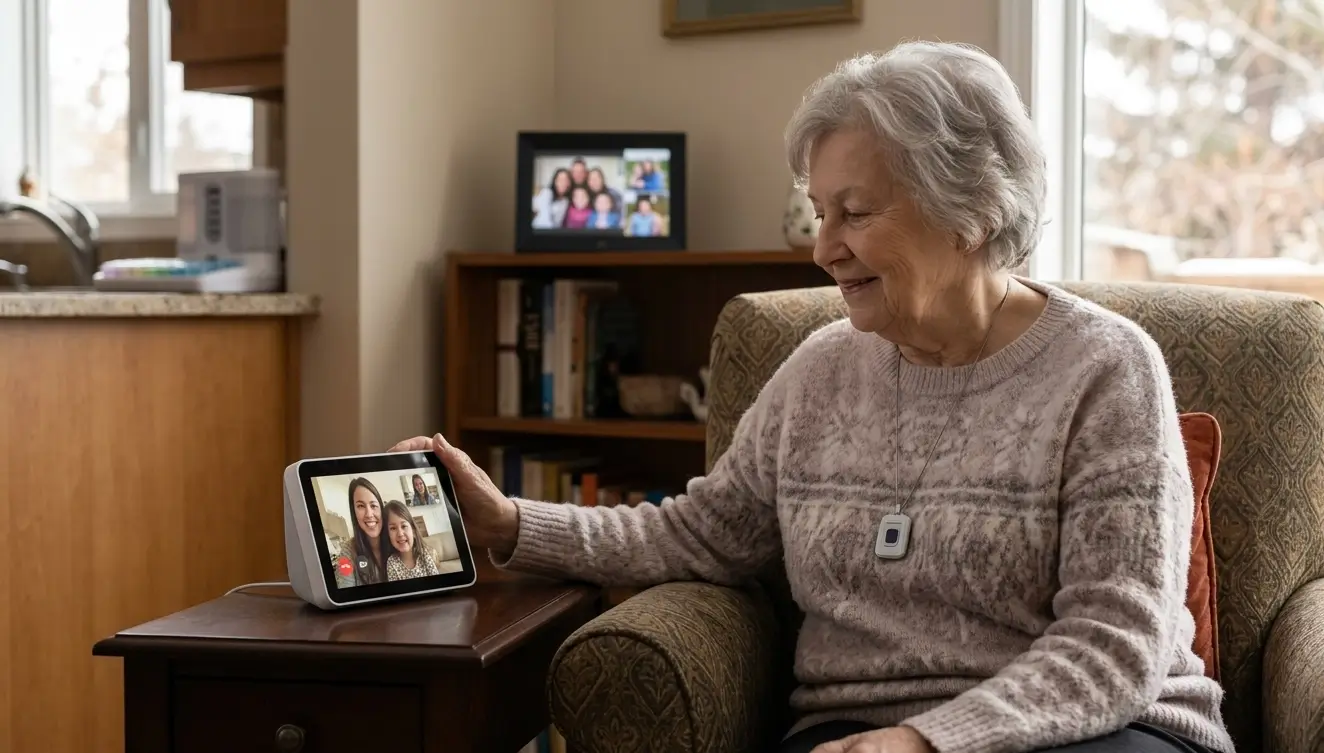
Consider whether there are technological solutions that feel less invasive than human help. Medical alert systems, medication dispensers with alarms, or video doorbells that let you check in might provide some level of safety monitoring without triggering the same resistance as in-person help. These aren’t substitutes for hands-on care when it’s truly needed, but they can be useful interim steps.
Build a network of informal monitors if formal help is refused. Ask neighbors, friends from church, or other family members to check in regularly and report back to you. While this isn’t professional care, it creates a loose safety net and increases the chances that someone will notice if your parent’s situation worsens significantly.
Prepare yourself for the reality that a crisis may eventually force the issue. Many seniors who firmly refuse help end up in situations where the choice is removed—a serious fall leads to hospitalization, which leads to a safety assessment that makes returning home alone impossible. While this isn’t the outcome anyone wants, sometimes it’s simply what happens. You can’t force someone to accept help they’re determined to refuse, and recognizing that limitation can provide some peace even as it’s frustrating.
Take care of your own emotional wellbeing through this process. Supporting a resistant parent is exhausting and emotionally draining. The combination of worry, frustration, guilt, and helplessness takes a real toll. Recognize the signs of caregiver burnout in yourself and get support through counseling, support groups, or simply honest conversations with friends who understand. You’re doing the best you can in a genuinely difficult situation. Respite care can provide crucial relief when you’re managing a resistant parent’s care.
Building Trust Over Time
For many families, getting a resistant parent to accept help isn’t a single conversation but a gradual process of building trust and demonstrating that support enhances rather than diminishes their life.
Stay consistent in your concern and your offers of help without nagging. There’s a difference between periodically checking in and offering support versus constantly badgering someone about accepting help. Find the balance where your parent knows help is available whenever they’re ready without feeling harassed.
Look for teachable moments when resistance might naturally soften. After a particularly difficult day, a near-miss incident, or a moment when your parent expresses frustration with something they’re struggling with, that might be the time to gently revisit the conversation. “That sounded really hard. Would you be open to some help with that?” feels different than bringing up care needs out of the blue.
Demonstrate respect for their autonomy in other areas. When your parent makes decisions you support—about their home, their routines, their activities—acknowledge and celebrate those choices. This reinforces that you respect their right to make decisions about their own life, which may reduce the fear that accepting help in one area means losing control everywhere.
Share stories of positive experiences others have had, but do it casually and without pressure. If you know someone whose parent was resistant but now loves their caregiver, mentioning that in passing conversation can plant seeds without feeling like a lecture. “You know how Uncle Jim didn’t want any help? Turns out the guy who comes now takes him fishing every week and he looks forward to it” provides a different mental model of what help might look like.
Be patient with the timeline. For some seniors, moving from total resistance to acceptance takes months or even years. Small steps forward matter, even if the pace feels frustratingly slow. Progress isn’t always linear—there may be setbacks and renewed resistance along the way. That’s normal and doesn’t mean you’ve failed.
Moving Forward with Compassion
Navigating your parent’s resistance to help is one of the most challenging aspects of the role reversal that happens as parents age and adult children take on more caregiving responsibilities. The balance between respecting autonomy and ensuring safety has no perfect solution, and the path forward often involves compromise, patience, and accepting that you can’t control everything.
What you can control is your approach—leading with empathy, respecting your parent’s dignity, involving them in decisions, and recognizing that resistance usually comes from fear rather than stubbornness. When you understand what’s really driving the refusal, you can address those underlying concerns rather than just battling the surface-level “no.”
Remember that accepting help is a significant psychological transition for your parent. They’re grieving losses—of ability, of independence, of the life they used to have. That grief deserves acknowledgment and compassion, even as you work toward practical solutions that keep them safe. Understanding how seniors cope with grief and loss can provide additional perspective. The goal isn’t to win arguments or prove them wrong, but to help them arrive at a place where they can accept support while maintaining as much dignity, autonomy, and quality of life as possible.
If you’re currently struggling with a parent who refuses help, know that you’re not alone in this challenge. Thousands of Calgary families are navigating this same difficult territory. Be gentle with yourself, seek support when you need it, and recognize that you’re doing the best you can in a genuinely hard situation. Sometimes the most loving thing you can do is continue showing up, offering support, and staying present even when your offers are refused. That consistency and love matter, even when the immediate results aren’t what you hoped for.
When you’re ready to explore care options, understanding the full range of services available can help you find the right starting point for your family. Whether it’s overnight support for safety during vulnerable nighttime hours, respite care to give you needed breaks, or simply companionship to combat isolation, there are solutions that can work even for the most resistant seniors when introduced with patience and compassion.