Skip to content
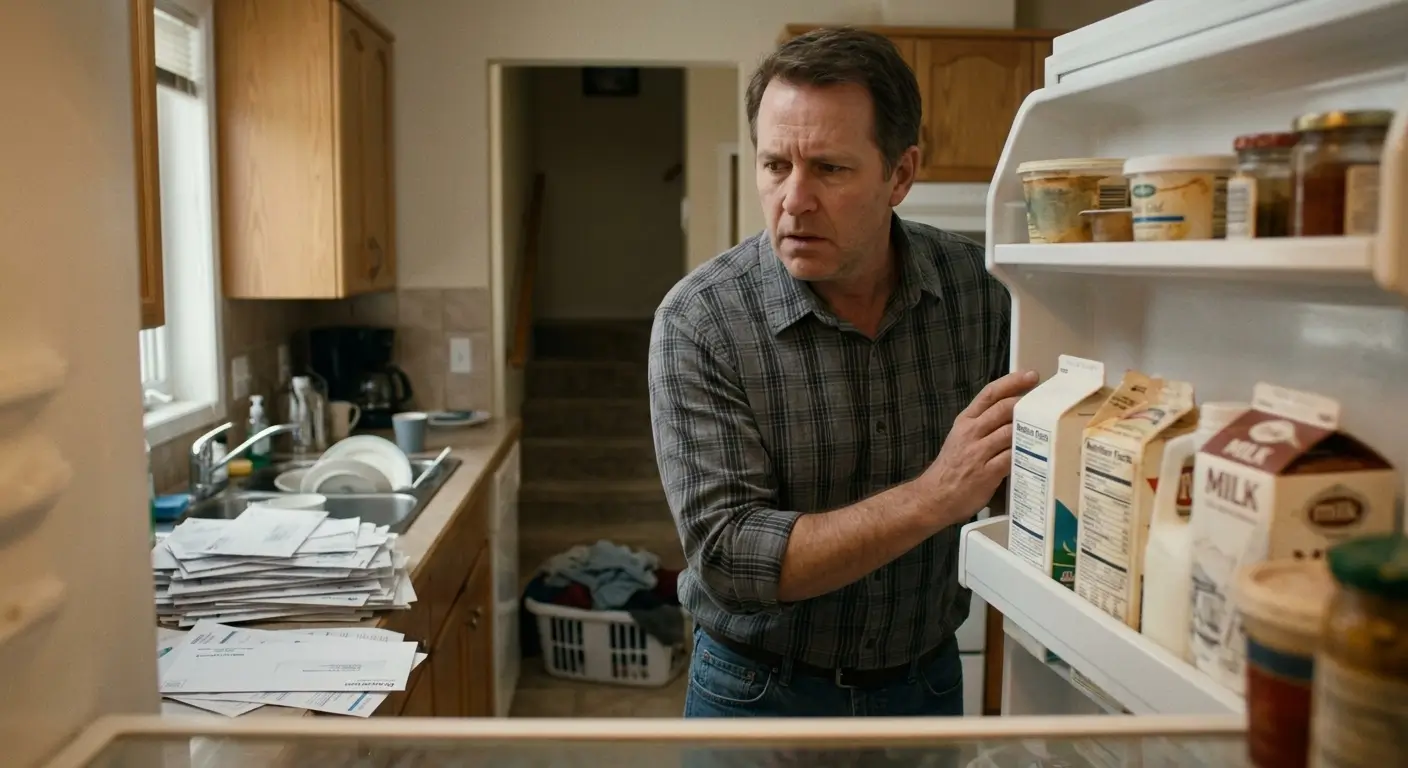
When Rebecca’s father was first offered palliative care after his heart failure diagnosis, she declined on his behalf without asking him. She was 47, she was frightened, and she believed something she had absorbed without ever questioning it.
She believed palliative care meant giving up.
Twenty-two months later, when her father finally began palliative care, the palliative specialist gently explained what she wished she had understood earlier. Palliative care would have been available the whole time. It would have run alongside his cardiology treatment. It would have eased the breathlessness that stole his last two summers. It would not have meant giving up on anything.
She was not alone in the misunderstanding. Every Calgary family that walks into a palliative care conversation walks in carrying a set of myths they did not know they had absorbed. Those myths keep families from asking for help at exactly the moment help would matter most.
Here are the eight most common myths about palliative care, and what is actually true.
Myth 1: Palliative care means giving up
This is the most common myth, and the most costly.
The word “palliative” comes from the Latin palliare, which means to cloak or to protect. It has always been a word about comfort and shelter, not surrender. Somewhere along the way, the word became culturally attached to end-of-life care in a way that has quietly caused generations of families to hear “palliative” and think “the end.”
The truth is that palliative care is comfort-focused support for anyone living with a serious or progressive illness. It does not replace curative treatment. It runs alongside it. It can begin at diagnosis and continue for years.
For a Calgary family, this means that saying yes to palliative care is not saying goodbye. It is saying yes to less pain, better sleep, and a stronger sense of dignity through whatever comes next.
Myth 2: Palliative care is only for cancer patients
Cancer was historically the most visible condition where palliative care was offered, which is where this myth comes from. Today it is much broader.
Palliative care is now recognized as appropriate for any serious or progressive illness. Heart failure. COPD. Dementia and Alzheimer’s disease. Parkinson’s. ALS. Kidney disease. Advanced lung disease. Liver disease. Multiple sclerosis. Even some serious injuries.
For a Calgary family whose parent has been diagnosed with any of these, palliative care is likely available and often helpful. If a doctor has not raised it, you are allowed to ask.
Myth 3: Palliative care is the same as hospice
This is the myth that causes the most confusion in doctor’s offices.
Hospice care is a specific stage of palliative care. It is comfort-focused support during the final weeks or months of life. Palliative care is the broader umbrella. It can begin much earlier and last much longer.
All hospice care is a form of palliative care. Not all palliative care is hospice.
Our guide on palliative care vs hospice care for Calgary families explores this distinction in depth. Understanding the difference changes how a family hears the word and what they say when a doctor first brings it up.
Myth 4: Palliative care only happens in a hospital
Because palliative care teams often work out of hospitals, families assume palliative care means going into hospital. It does not.
Palliative care in Calgary can be delivered at home, in a hospital, in a long-term care facility, or in a dedicated hospice residence. Most Calgary families who choose palliative care choose to have it delivered at home whenever possible, so their loved one stays in familiar surroundings.
The palliative team travels to the person, not the other way around. Home care providers can support the family with personal care, companionship, and respite alongside the medical palliative team.
Myth 5: Palliative care shortens life
This myth deserves careful correction because it stops families from asking earlier than any other.
Research over the past decade has consistently found that early palliative care correlates with better quality of life, better symptom control, and better mental health for both patients and families. In some studies, it has even correlated with slightly longer survival, not shorter.
The reasons are not fully understood, but researchers suggest that better symptom management, less anxiety, and stronger emotional support all play a role. What is clear is that palliative care does not shorten life. It often protects it.
Myth 6: Palliative care means stopping all other treatment
This myth comes from confusion with hospice care, where the shift usually is from curative to comfort-focused. Palliative care itself does not require any change to a person’s existing treatment.
Chemotherapy can continue. Dialysis can continue. Cardiac medications can continue. Insulin can continue. Physical therapy can continue.
Palliative care adds a layer of comfort-focused support on top of everything already happening. The decision to reduce or stop other treatments is a separate decision, made between the family and the medical team, and it does not automatically come with starting palliative care.
Our article on when palliative care begins explores this in more detail.
Myth 7: Palliative care is only for the very last days
This is the twin of Myth 1, and it is equally costly.
Palliative care can begin the day someone is diagnosed with a serious illness. Early on, it often looks like a single consultation with a palliative specialist, followed by periodic check-ins. It grows as the illness grows. It is a partnership, not a countdown.
The families who begin palliative care earlier almost never regret it. The regret, when it comes, is on the other side. Months of poorly managed symptoms. Nights of anxiety that could have been eased. Care that arrived too late to shape the experience.
Myth 8: Asking about palliative care means you’ve lost hope
This is the myth that stops families from even starting the conversation.
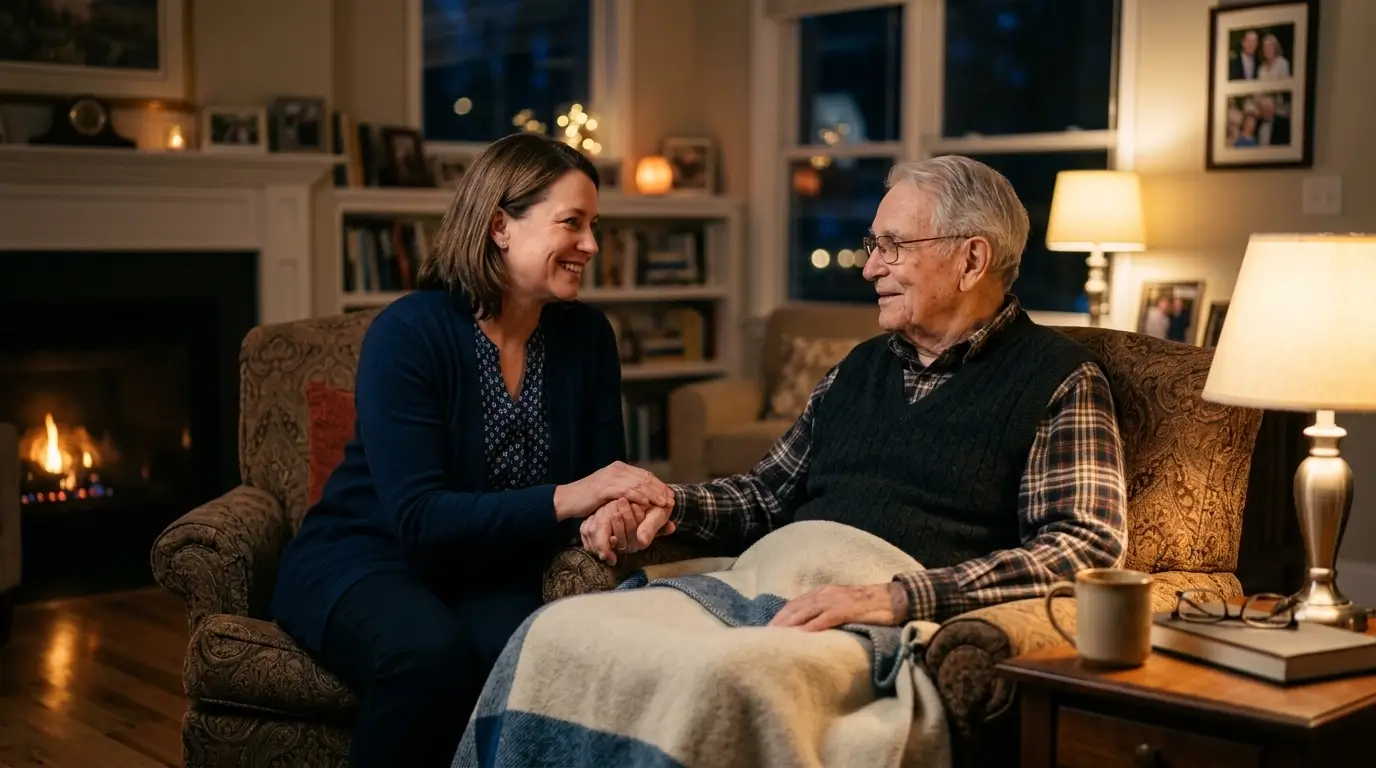
Asking about palliative care is an act of care, not surrender. It is a family saying, we want to protect the quality of the time we have together. It is a family saying, we want to make sure our loved one is comfortable through whatever comes next.
Doctors do not interpret the question as giving up. They usually interpret it as a family that has been paying attention, thinking carefully, and preparing thoughtfully. Many doctors quietly wish more families would ask sooner.
Why these myths persist
Understanding why these myths persist can help families move past them.
The word “palliative” carries decades of cultural weight from a time when it really was used almost exclusively in the final days of life. Parents of this generation grew up hearing it that way, and even for those who intellectually understand the modern meaning, the word can still land like a warning.
Doctors also do not always raise palliative care early. Some assume families are not ready. Some worry about causing distress. Some simply do not have time in a short appointment to have that kind of conversation.
Media portrayals matter too. Television and film almost always show palliative care in a hospital room in the final scenes of a character’s life. Rarely do we see the story of someone who received palliative care alongside their treatment for two years and thrived because of it.
How to move past the myths
Moving past these myths starts with permission to ask questions without them meaning anything.
Ask your parent’s doctor what palliative care would actually look like at this stage of the illness. Ask what symptoms it could help with. Ask what a consultation would involve. None of these questions commit anyone to anything. They simply open a door.
If a full palliative consultation feels premature, ask about symptom management specifically. Sometimes what a family thinks it needs to ask about is a bigger commitment than what is actually required.
Talk with families who have used palliative care. Their stories almost always sound different from the myths, and hearing someone describe how it actually helped their mother or father can reshape the whole picture.
Our article on navigating conversations about senior care offers more guidance on how to raise these subjects with the people who matter most.
Frequently asked questions
Isn’t it too early to talk about palliative care?
For someone with a serious or progressive illness, it is rarely too early. Palliative care is often most useful when it begins early, alongside the rest of a person’s treatment. Starting early does not mean the involvement is intensive. It can be a single consultation and a plan.
Will my parent be upset if I bring this up?
Some parents will be, at first, because they may share the same myths. The best approach is to explain what palliative care actually is before using the word itself. Once the concept is understood as comfort rather than an ending, the conversation usually softens.
Does asking about palliative care commit us to anything?
No. Asking is only asking. A palliative consultation is just a consultation. Families can ask questions, get information, and decide separately whether to move forward. Many Calgary families ask, learn, and then wait months before choosing to engage further.
Can we start palliative care and then stop?
Yes. Palliative care is not a permanent commitment. Some families begin, take a break when things stabilize, and re-engage later. Others stay lightly connected throughout the illness. The care shapes itself around the person.
What if the doctor thinks it’s too early?
You are allowed to ask again. If symptoms are hard to manage, if the family caregiver is exhausted, or if the illness is progressing, palliative expertise may be helpful even if the primary doctor has not raised it. A referral for even a single consultation can be enough to open the door.
Where can I learn more?
Beyond this article, our guides on palliative care vs hospice care, signs it may be time to consider palliative care, and palliative care at home in Calgary explore this space from different angles. Your parent’s doctor is also a useful person to speak with, even if only to ask basic questions.
The kindest question a family can ask is a curious one
The myths about palliative care do not exist because families are careless. They exist because the word has carried decades of weight, and the modern meaning has changed faster than the culture has caught up.
The families who move past the myths early tend to be the families who ask a lot of questions without assuming anything. They ask what palliative care would look like for their parent. They ask what symptoms it might help with. They ask what other Calgary families have experienced. And when they eventually say yes, they say yes with clarity rather than with fear.
If you would like to talk about what kinds of in-home support might surround your family during this season, whether early in an illness or later, the Compassion Senior Care team is here. You can learn more on our services page, or reach out whenever you are ready.