Skip to content
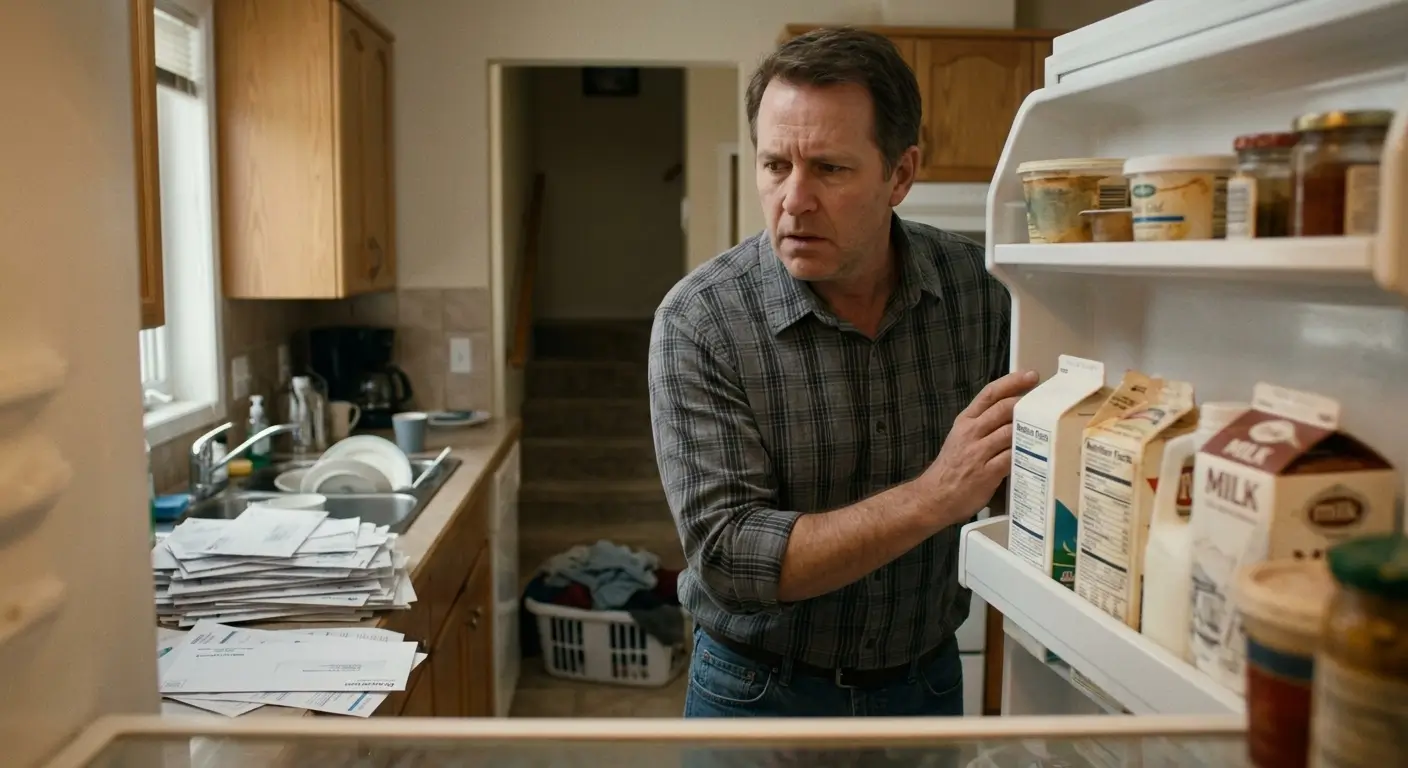
When Patricia’s daughter noticed her 81-year-old mother acting strangely, confused, agitated, refusing to eat, and suddenly unable to recognize familiar faces, she immediately feared the worst. A stroke, perhaps. Or a sudden progression of dementia. She called 911 and Patricia was rushed to Rockyview General Hospital.
The diagnosis was not a stroke. It was a urinary tract infection.
Within 48 hours of treatment, Patricia was herself again.
This scenario plays out in Calgary emergency rooms more often than most families realize. UTIs in seniors are one of the most misdiagnosed, most dangerous, and most preventable health crises affecting older adults at home. Yet the majority of families have never been told what to watch for, because UTIs in the elderly rarely look the way they expect.
This guide explains why urinary tract infections are so serious in older adults, what the warning signs actually look like, how to prevent them, and when the situation requires urgent medical attention.
Why UTIs Hit Seniors So Differently
In a younger adult, a UTI is uncomfortable and obvious. There is burning during urination, frequent urges to go, and possibly some pelvic pain. The person knows something is wrong, goes to a clinic, takes a course of antibiotics, and recovers within days.
In an older adult, none of that may happen. The classic urinary symptoms are often absent entirely, particularly in women over 75. What appears instead is a sudden and dramatic change in behaviour, cognition, or personality. This is what makes UTIs in seniors genuinely dangerous, they masquerade as something else entirely, and by the time the correct diagnosis is made, the infection may have progressed significantly.
The reason for this difference comes down to how the aging body responds to infection. As we age, the immune system becomes less efficient at mounting a typical inflammatory response. The nerves that would normally signal pain and urgency in the bladder become less sensitive. The result is that the body fights the infection quietly, without generating the usual warning signals, until the infection reaches the bloodstream or affects the brain.
The Real Warning Signs Calgary Families Need to Know
Because the classic symptoms are often absent, families need to know what UTIs actually look like in an older adult at home. The signs can be sudden and alarming.
Behavioural and cognitive changes are the most common and most frequently misattributed warning signs:
- Sudden confusion or disorientation in someone who was previously clear-headed
- Agitation, aggression, or unusual irritability
- Withdrawal or unusual quietness
- Hallucinations or delusional thinking
- Saying things that make no sense or not recognizing familiar people or places
- A dramatic personality shift that appears seemingly out of nowhere
Physical signs that may accompany or precede the cognitive changes:
- Increased falls or sudden unsteadiness
- Fever or chills — though many seniors with UTIs do not run a fever at all
- Nausea, loss of appetite, or vomiting
- Lower back or side pain, particularly around the kidney area
- Fatigue or unusual sleepiness
- Urine that smells stronger than usual, appears cloudy, or is darker in colour
The critical rule for Calgary families: any sudden unexplained change in a senior’s mental state or behaviour — even without urinary symptoms — warrants a call to a healthcare provider and a urine test. Do not wait to see if it resolves on its own. What looks like a sudden worsening of dementia, a mini-stroke, or a psychiatric episode is a UTI until proven otherwise.
If your parent already has a dementia diagnosis, this is especially important. The overlap between UTI symptoms and dementia behaviour can be nearly complete. Our guide to Dementia Care at Home in Calgary: A Complete Family Guide covers how to distinguish sudden changes from the gradual progression of the disease.
Why Seniors Are More Vulnerable
Several factors combine to make older adults significantly more susceptible to urinary tract infections than younger people.
Weakened immune function means the body is less capable of fighting bacteria before it establishes an infection. What might be cleared naturally in a younger person takes hold and spreads in an elderly one.
Incomplete bladder emptying is common in seniors, particularly men with enlarged prostates and women with weakened pelvic floor muscles. When urine remains in the bladder rather than being fully expelled, it creates an environment where bacteria can grow unchecked.
Reduced fluid intake is one of the most significant contributors. Many seniors simply do not drink enough water, either because thirst sensation diminishes with age, because they are trying to avoid nighttime bathroom trips, or because mobility makes getting to the kitchen for a glass of water more difficult. Concentrated, infrequent urine allows bacteria to accumulate rapidly. This connection between fluid intake and UTI risk is one reason that Senior Sleep Problems and nighttime bathroom trips are relevant not just for fall prevention but for infection prevention as well.
Catheter use dramatically increases UTI risk. Any senior using an indwelling catheter is at significantly elevated risk and requires careful hygiene protocols and regular monitoring.
Mobility limitations can make proper hygiene after toileting more difficult, particularly for women. This is one of the areas where professional Personal Care from a trained caregiver makes a genuine difference — both in maintaining proper hygiene consistently and in preserving the senior’s dignity throughout.
Antibiotic history is also a growing concern. Seniors who have had repeated UTIs may have developed antibiotic-resistant infections, which are harder to treat and more likely to escalate.
When a UTI Becomes a Medical Emergency
An untreated or improperly treated UTI can progress from the bladder to the kidneys — a condition called pyelonephritis — and from there into the bloodstream, causing sepsis. Urosepsis is a life-threatening emergency and one of the leading causes of sepsis-related deaths in older adults.
The warning signs that a UTI has escalated and requires emergency care include:
- High fever or, conversely, a drop in body temperature below normal
- Rapid breathing or heart rate
- Extreme confusion or inability to stay awake
- Severe back or flank pain indicating kidney involvement
- Sudden drop in blood pressure or signs of shock
- Vomiting that prevents keeping down fluids or medication
If any of these are present, call 911. Do not attempt to drive to an emergency department — urosepsis can deteriorate rapidly.
Prevention: What Actually Works at Home
The good news is that a significant proportion of UTIs in seniors are preventable with consistent daily habits. These are practical strategies that caregivers — both family and professional — can build into the daily routine.
Hydration is the single most important preventive measure. The goal for most seniors is six to eight glasses of fluid per day, though a doctor should advise based on the individual’s health conditions. Plain water is ideal, but herbal teas, diluted juice, and broth all count. For seniors who resist drinking, offering fluids frequently throughout the day in small amounts — rather than expecting them to drink a full glass at once — tends to work better. Building fluid intake into mealtimes and medication routines ensures it is not forgotten.
Seniors who are worried about nighttime bathroom trips and therefore restrict fluids in the evening are actually increasing their UTI risk significantly while creating a false sense of security. The right solution is addressing the nighttime safety concern directly — with proper lighting, cleared pathways, and when necessary, Overnight Home Care — rather than restricting fluids.
Proper toileting hygiene should be front and centre in any personal care routine. For women, wiping front to back every time is essential. Caregivers providing personal care assistance should be trained in this and consistent in their approach. If your parent is resistant to hygiene assistance from family members, How to Help a Senior Who Refuses to Bathe offers practical strategies for navigating this sensitively.
Timely and complete voiding matters as well. Seniors should not hold urine for extended periods, and should take the time to fully empty the bladder rather than rushing. For men with prostate issues, double voiding — waiting a moment after the initial urination and then trying again — can help reduce residual urine.
Breathable, cotton underwear reduces moisture retention and the warm environment that bacteria thrive in. Avoiding prolonged sitting in wet or damp clothing is equally important.
Cranberry products have mixed evidence, but some studies suggest that cranberry extract supplements or unsweetened cranberry juice may reduce the ability of bacteria to adhere to the bladder wall. They should not replace any prescribed treatment but can be considered as a complementary measure after discussing with a doctor.
Medication review is often overlooked as a prevention strategy. Some medications — including certain blood pressure drugs, diuretics, and antihistamines — can reduce bladder emptying efficiency or affect fluid balance. A medication review with a pharmacist or physician may identify drugs contributing to UTI risk. For families managing complex medication schedules, Medication Management for Seniors at Home: Preventing Dangerous Errors is essential reading.
The Role of Home Caregivers in UTI Prevention and Detection
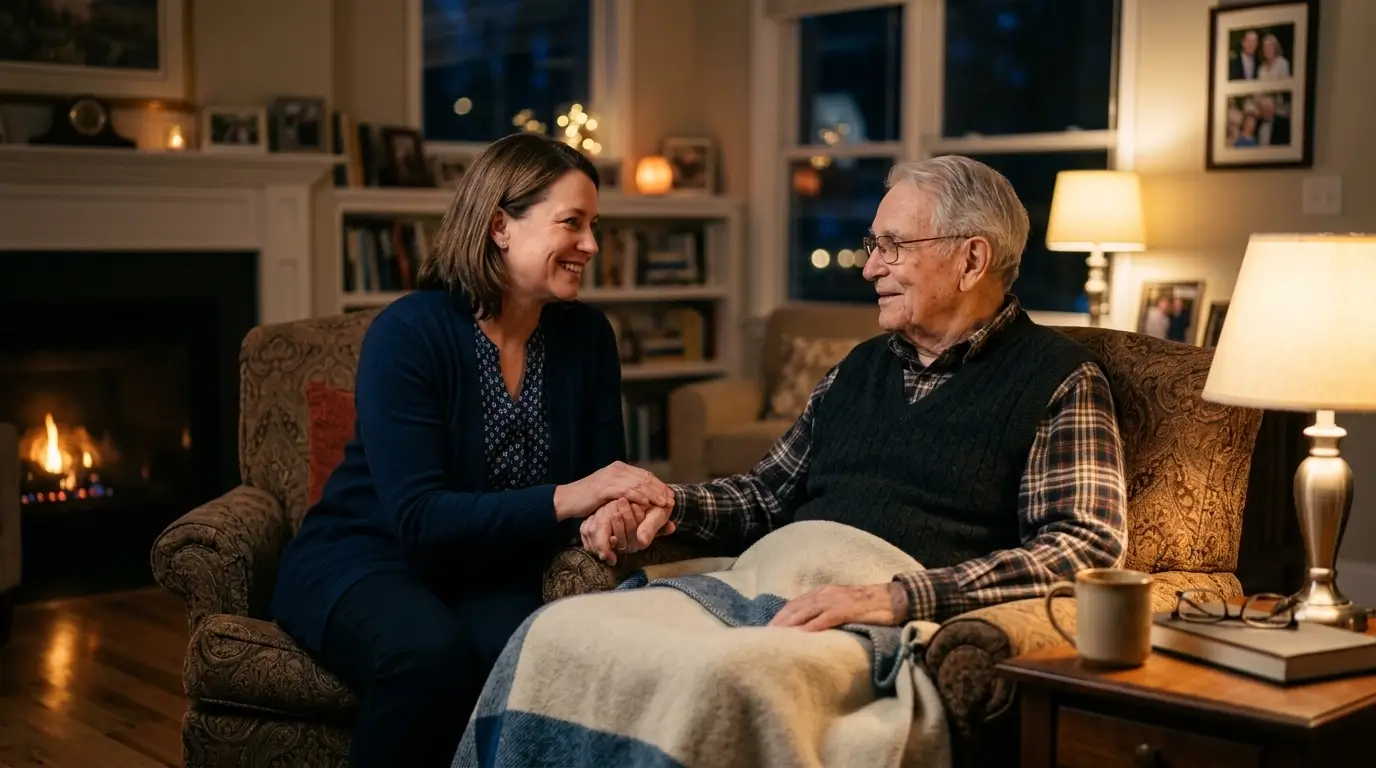
Professional home caregivers are often the first line of detection for UTIs — not because they are monitoring urine, but because they see the senior regularly enough to notice when something has changed.
A caregiver who visits three times a week knows what this person’s normal looks like. They notice when the senior is more confused than usual on a Tuesday. They observe that the urine in the commode looks darker. They hear the senior mention that their back is sore. They flag it to the family or the care coordinator before it escalates.
This early detection function is one of the most underappreciated benefits of consistent, professional home care. Families who see their parent once a week may miss the subtle early signs. A trained caregiver with a consistent relationship notices changes that an occasional visitor does not.
If your parent is living alone and you are managing their care from a distance, this monitoring role becomes even more critical. Long-Distance Caregiving: Supporting Calgary Parents from Across Canada covers how to structure remote oversight so that nothing falls through the cracks.
Beyond detection, caregivers support prevention through the daily routines described above — ensuring consistent fluid intake, assisting with proper hygiene, helping with timely bathroom trips, and monitoring for any changes in urination patterns.
After the UTI: What Recovery Looks Like at Home
Most uncomplicated UTIs in seniors are treated with a course of oral antibiotics, typically lasting five to seven days. However, recovery for older adults is often slower than families expect.
Even after the infection has cleared, cognitive symptoms — the confusion, the personality changes, the disorientation — can persist for days or sometimes weeks, particularly in seniors with underlying dementia or cognitive impairment. This does not mean the treatment has failed. It means the brain takes time to recover from the inflammatory effects of the infection.
During this recovery period, the senior may need more support than usual. Daily tasks that were manageable before may temporarily require assistance. Sleep may be disrupted. Appetite may be slow to return. Families should plan for a recovery window rather than expecting an immediate return to baseline.
If a UTI has resulted in a hospital stay, the transition home requires careful planning. Hospital Discharge Guide for Calgary Seniors: Transitioning Home Safely walks through exactly how to set up the home environment and care plan for a smooth and safe return.
Recurrent UTIs: When It Keeps Happening
Some seniors experience recurring UTIs — defined as two or more infections within six months or three or more within a year. Recurrent UTIs are not simply bad luck. They signal an underlying issue that needs to be identified and addressed.
Possible contributing factors include an anatomical issue, untreated prostate enlargement, catheter use, a resistant bacterial strain, or inadequate completion of previous antibiotic courses. A urologist referral is appropriate when UTIs are recurring, as there are both medical interventions and prophylactic strategies that can significantly reduce frequency.
From a care perspective, recurrent UTIs are a signal that the daily prevention routine — hydration, hygiene, voiding habits — needs to be reviewed and reinforced. It is also worth checking whether Signs Your Parents in Calgary May Need Home Care apply, as recurring preventable infections are often a marker that the current level of support is insufficient for the senior’s needs.
Frequently Asked Questions
Can a senior have a UTI without any pain or burning?
Yes, very commonly. The classic symptoms of pain, burning, and urgency are frequently absent in older adults, especially women over 75. The presenting symptoms are more likely to be sudden confusion, behavioural changes, or increased falls. Never rule out a UTI because urinary symptoms are absent.
How quickly should we seek medical help if we suspect a UTI?
Same day. Do not adopt a wait-and-see approach. Call your parent’s doctor or visit a walk-in clinic. A urine dipstick test takes minutes and can confirm or rule out infection quickly. If confusion is severe, if there is fever, or if the senior appears very unwell, go to emergency or call 911.
Is it safe to treat a UTI at home without seeing a doctor?
No. UTIs in older adults require proper diagnosis with a urine culture to identify the specific bacteria and the antibiotics it responds to. Over-the-counter products that relieve symptoms in younger adults do not treat the infection. Given the risk of rapid escalation to sepsis in seniors, professional medical assessment and appropriate antibiotics are always necessary.
Do UTIs cause permanent cognitive damage?
In most cases, no. The confusion and personality changes associated with a UTI in a senior typically resolve once the infection is cleared, though recovery may take longer than the antibiotic course itself. In seniors with pre-existing dementia, however, a UTI can sometimes accelerate decline or unmask a stage of dementia that had not yet been apparent. If cognitive symptoms persist well after the infection has resolved, this warrants follow-up with the physician.
Can men get UTIs?
Yes, though UTIs are significantly more common in women. Men over 50 with prostate enlargement are at higher risk, and UTIs in men are more likely to involve the kidneys or prostate, making them more complex to treat. The same behavioural warning signs apply.
How do I know if my parent is drinking enough to prevent UTIs?
A useful indicator is urine colour. Pale yellow or straw-coloured urine suggests adequate hydration. Dark yellow or amber urine suggests dehydration. If your parent’s urine is consistently dark, increasing fluid intake is a priority. Discuss target fluid intake with their physician, especially if they have heart or kidney conditions that require fluid restrictions.
Getting the Right Support in Place
UTIs are preventable. They are detectable early. And with the right support structure at home, they do not need to become the emergency that lands your parent in hospital.
The families who manage UTI risk most successfully are those who have consistent, trained eyes on their parent regularly, caregivers who know the baseline and notice the deviation, who ensure fluid intake is happening, who assist with hygiene properly and respectfully, and who communicate changes to the family promptly.
To see how professional home care in Calgary can be structured around prevention and early detection, visit our Services page. If you would like to talk through your parent’s specific situation with someone who understands Calgary’s care landscape, contact Compassion Senior Care for a free, no-pressure conversation.